


Sugarcane Nursery Challenges and Disease Management Solutions in India
Sugarcane Farming in India and Nursery Challenges Due to Diseases:
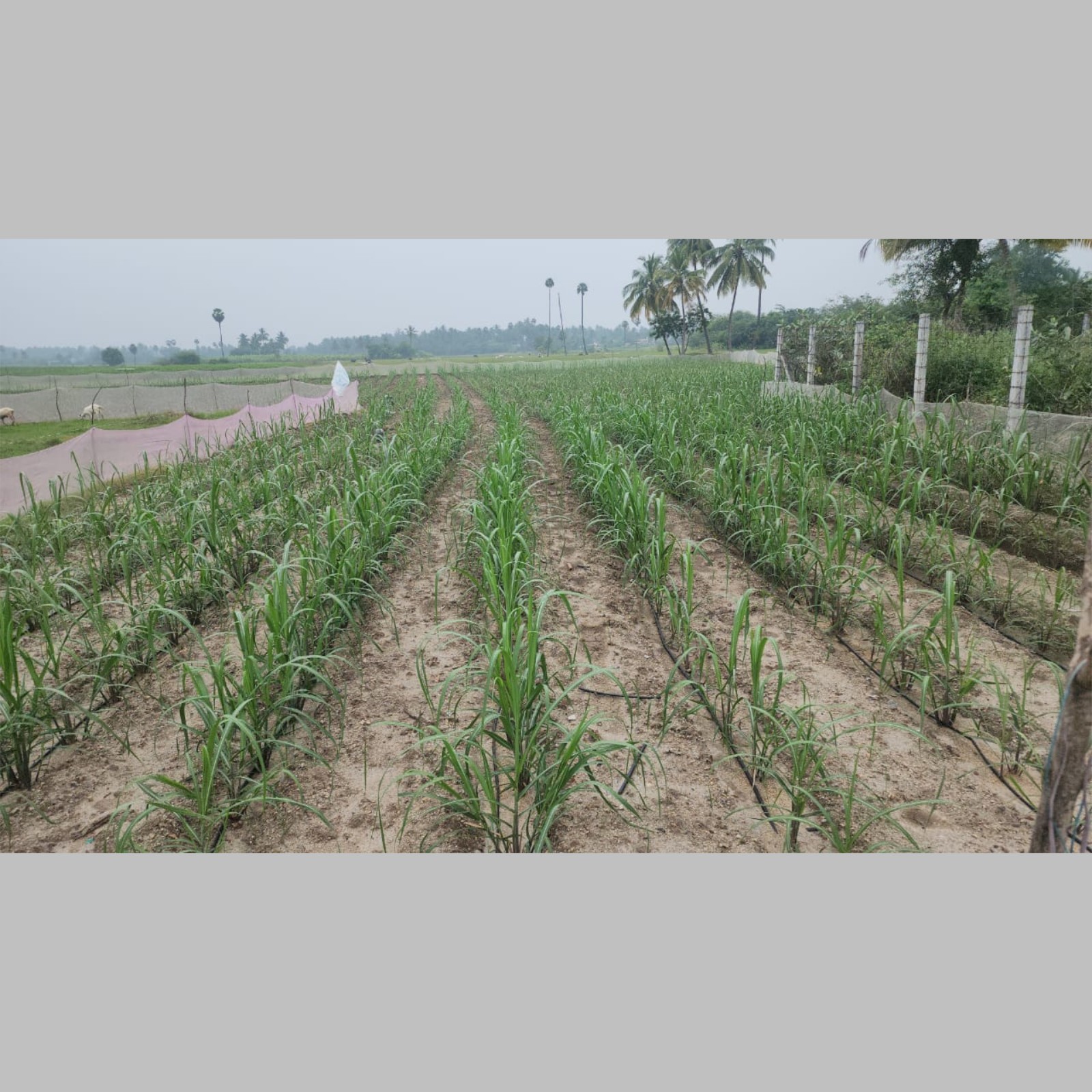
Sugarcane farming is a cornerstone of India's agricultural sector, contributing significantly to the economy and supporting the livelihoods of millions of farmers. India is one of the largest producers of sugarcane globally, with states like Uttar Pradesh, Maharashtra, Karnataka, Tamil Nadu, and Andhra Pradesh leading production. However, the success of sugarcane farming heavily depends on the quality of planting material, and sugarcane nurseries often face significant challenges due to various diseases.
Importance of Sugarcane Nurseries
Sugarcane nurseries serve as the foundation for healthy crop production. Farmers and sugar factories depend on these nurseries to provide disease-free, high-quality seed material for planting. Any compromise in the health of nursery plants can directly impact the yield and profitability of the subsequent sugarcane crop.
Challenges Faced in Sugarcane Nurseries
Prevalence of Diseases:
- Sugarcane nurseries are highly susceptible to several diseases caused by fungi, bacteria, viruses, and pests.
- Common Diseases Include:
- Red Rot: Caused by Colletotrichum falcatum, leading to rotting of stalks and reduced germination rates.
- Smut: Characterized by the emergence of black whip-like structures, stunting plant growth.
- Grassy Shoot Disease (GSD): A viral disease that causes excessive tillering and stunted growth.
- Wilt Disease: Weakens the stalk and reduces sprouting.
Low-Quality Seed Material:
- Farmers often use infected or substandard setts for nursery establishment, perpetuating disease cycles.
Lack of Disease Management Practices:
- Many small-scale farmers lack access to effective disease prevention and treatment techniques.
Climatic Vulnerabilities:
- High humidity, rainfall, and warm temperatures create favorable conditions for pathogen growth and disease spread in nurseries.
Pest Infestation:
- Pests like termites and borers damage sugarcane buds and stalks, reducing germination success.
Limited Resources:
- Farmers and sugar factories often lack the resources for advanced disease control measures, such as hot water treatment or pathogen-free tissue culture plants.
Impact on Sugarcane Farming:
Reduced Germination Rates:
- Diseases lead to poor sprouting, causing gaps in fields and reducing overall crop productivity.
Lower Yields:
- Diseased plants fail to grow to their full potential, affecting both the quantity and quality of sugar produced.
Increased Costs:
- Farmers incur higher costs for disease management and replanting.
Economic Losses:
- Sugar factories face reduced raw material supplies, affecting production targets and profitability.
Solutions to Sugarcane Nursery Challenges:
Disease-Free Seed Material:
- Encourage the use of certified, pathogen-free sugarcane setts from government-approved nurseries or tissue culture plants.
Hot Water Treatment (HWT):
- Treat sugarcane setts in hot water (50-54°C for 20-30 minutes) to eliminate pathogens and pests before planting.
Sugarcane Vacuum treatment Device (SSTD):
- Treat the the sugarcane buds with vacuum treatment device
Germination Chambers:
- Use controlled-environment germination chambers to improve the sprouting and survival rate of sugarcane buds.
Integrated Disease Management (IDM):
- Combine cultural, biological, and chemical methods for disease prevention and control.
Field Hygiene:
- Ensure proper sanitation in nurseries to prevent the spread of diseases through contaminated tools, soil, or water.
Awareness Programs:
- Train farmers on identifying disease symptoms and adopting preventive measures.
Role of Sugar Factories
Support to Farmers:
- Sugar factories can provide high-quality planting material and technical assistance to farmers.
Centralized Nurseries:
- Establish centralized nurseries equipped with advanced disease management technologies to supply healthy seed material.
Research and Development:
- Invest in research to develop disease-resistant sugarcane varieties and effective disease control methods.
Sugarcane farming in India has immense potential, but the challenges posed by nursery diseases require urgent attention. By adopting modern farming techniques and collaborative efforts between farmers, sugar factories, and research institutions, India can overcome these hurdles and ensure sustainable growth in sugarcane production.
Sugarcane Vacuum Treatment Device for Disease Control and Healthy Germination:
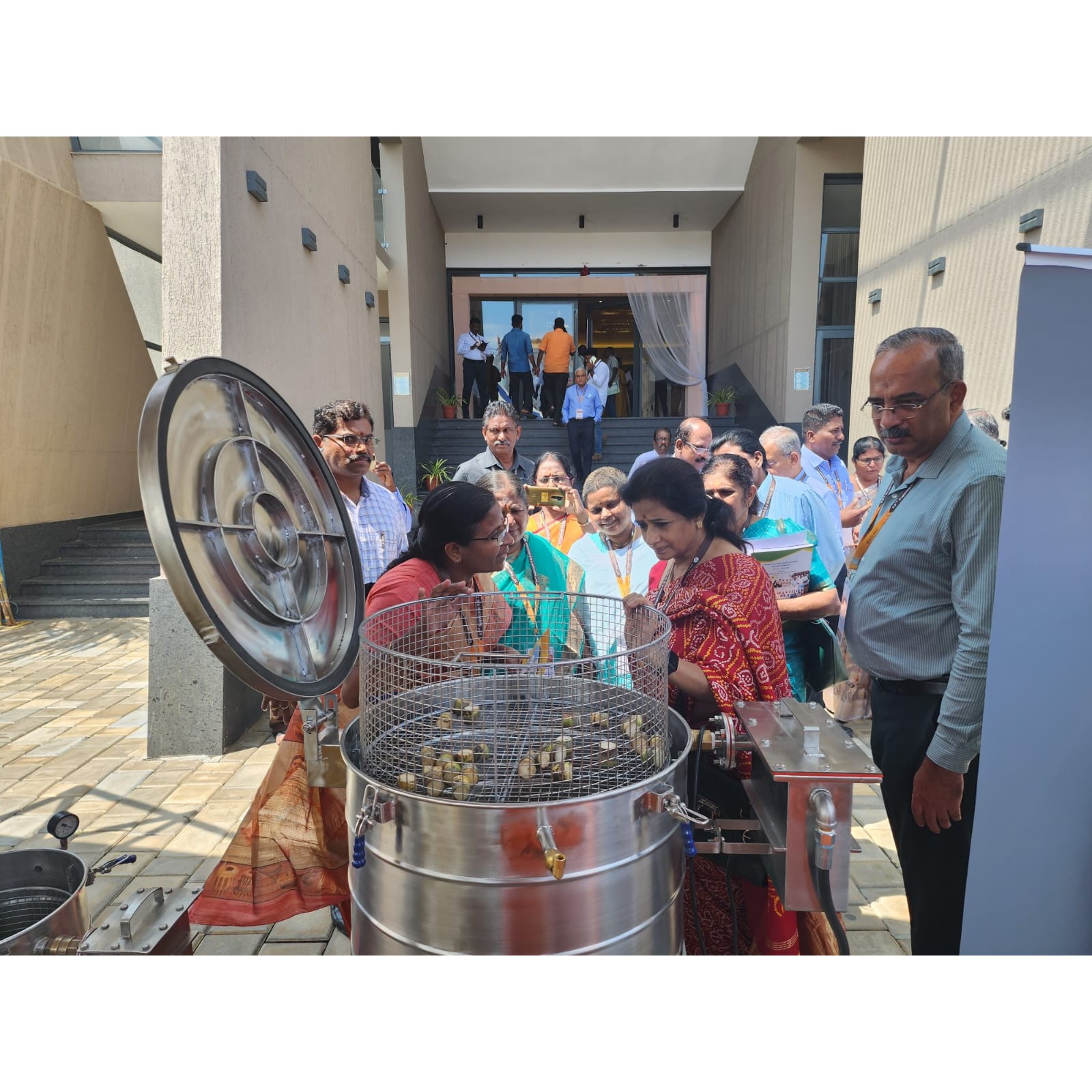
A Sugarcane Vacuum Treatment Device is a specialized tool designed to improve the health and productivity of sugarcane cultivation. This device helps control diseases and enhances the germination of sugarcane buds by using vacuum technology to treat the buds before planting.
Purpose and Benefits:
Disease Control:
- The device eliminates fungal spores, bacterial pathogens, and pest eggs from sugarcane buds.
- Reduces the spread of common diseases such as red rot, smut, and wilt, which can significantly impact yield.
Healthy Germination:
- Improves the viability of sugarcane buds by creating a sterilized environment during the vacuum treatment.
- Ensures uniform and healthy sprouting, leading to robust plant growth.
Enhanced Nutrient Uptake:
- Prepares the buds to absorb nutrients more effectively once planted, boosting early-stage growth and reducing transplant stress.
How It Works:
Vacuum Application:
- Sugarcane buds are placed in a chamber where a vacuum is applied. This process removes air and pathogens from the surface of the buds.
Optional Chemical Treatment:
- The vacuum environment can also facilitate the absorption of disinfectants or growth-promoting solutions into the bud tissues, enhancing treatment efficiency.
Drying and Conditioning:
- After treatment, the buds are dried and conditioned for planting, ensuring they remain healthy and disease-free.
Features of the Device:
Adjustable Vacuum Levels:
- Customizable settings to suit different sugarcane varieties and treatment requirements.
Eco-Friendly Design:
- Reduces the need for excessive chemical pesticides, promoting sustainable agriculture.
Portable and Scalable:
- Available in sizes suitable for small-scale farms and large commercial operations.
Applications:
- Sugarcane Farming:
Ensures higher germination rates and healthier crops for sugar production. - Seed Treatment Centers:
Prepares sugarcane buds for large-scale planting with reduced disease risk. - Research Stations:
Supports studies on disease control and germination improvement in sugarcane cultivation.
Advantages:
Increased Yield:
Healthier sugarcane buds result in better crop performance and higher productivity.
Cost Savings:
Reduces the reliance on expensive pesticides and manual disease control methods.
Environmental Impact:
Promotes sustainable farming by minimizing chemical usage and soil contamination.
This advanced device is a vital tool for modern sugarcane farming, offering a scientific approach to improving crop health and productivity while controlling diseases effectively.
Hot Water Treatment Device for Sugarcane Buds: Disease Control and Healthy Germination
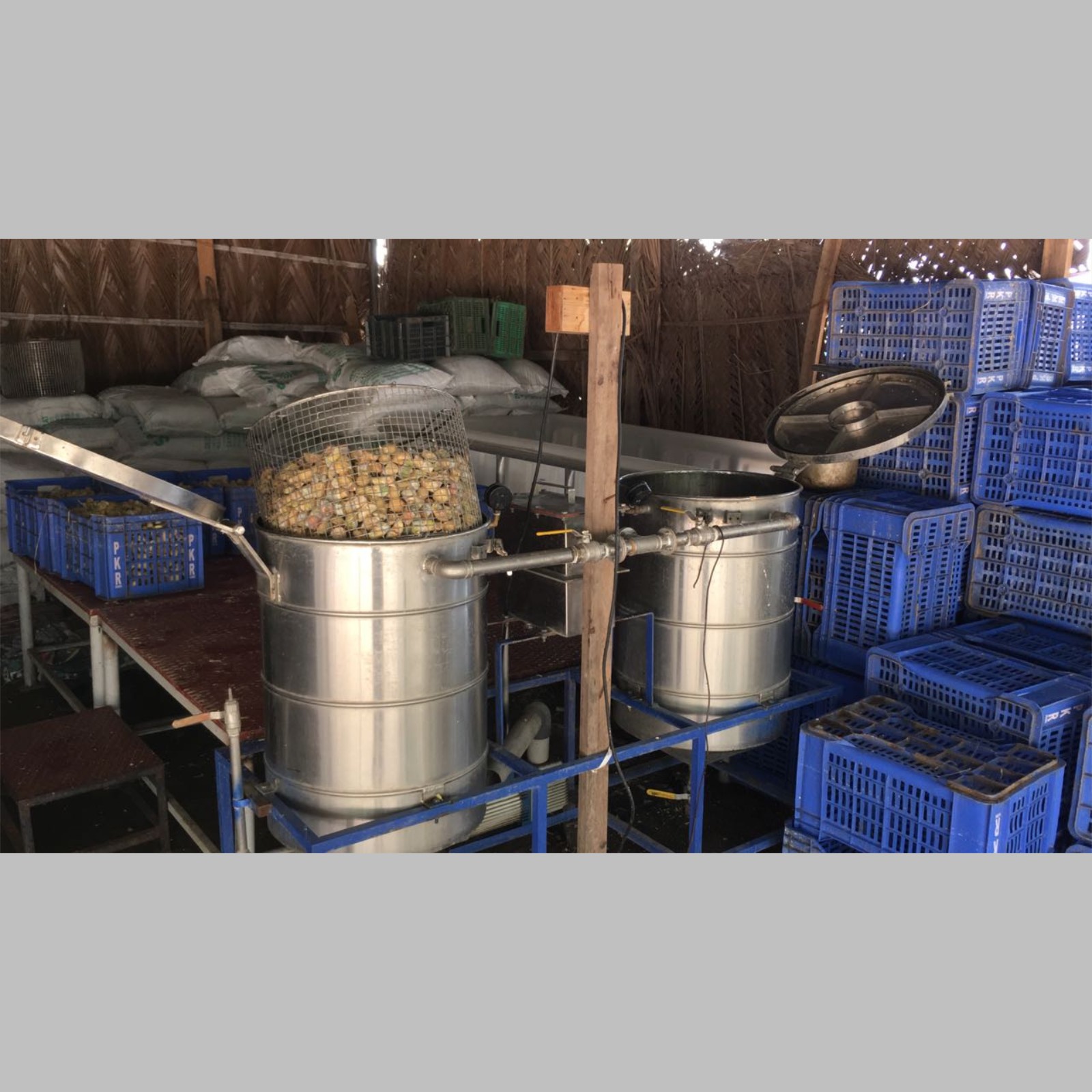
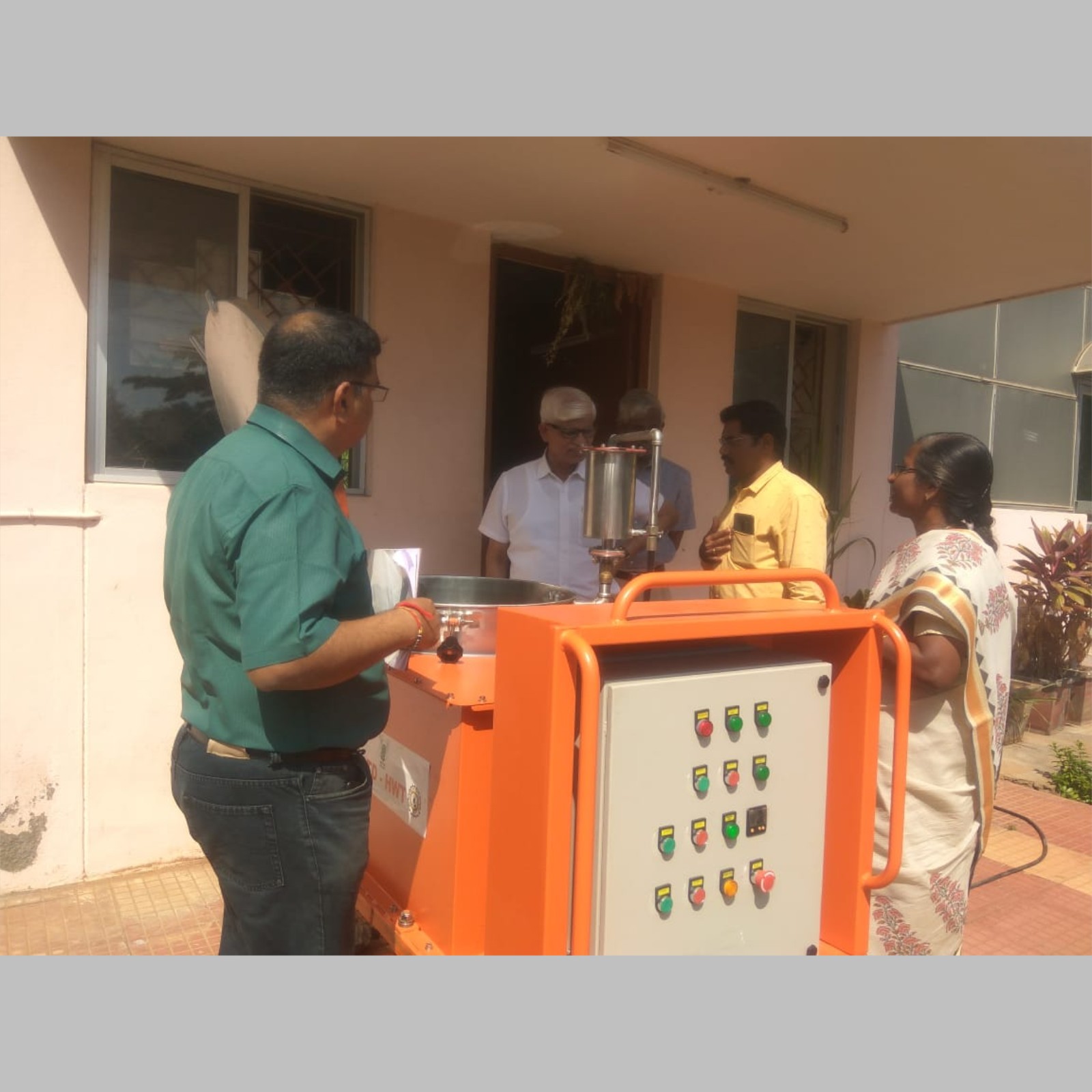
A Hot Water Treatment (HWT) Device is an essential tool in sugarcane farming, used to control diseases and promote the healthy germination of sugarcane buds. By exposing sugarcane setts or buds to precise temperatures for a specific duration, this method eliminates pathogens and pests while stimulating better sprouting and growth.
Purpose and Benefits:
Disease Control:
- Effectively kills fungal spores, bacterial pathogens, nematodes, and pest eggs that may be present on the sugarcane buds or setts.
- Reduces the incidence of diseases such as red rot, smut, and grassy shoot, which can significantly impact yield.
Healthy Germination:
- Enhances the physiological activity of sugarcane buds, promoting robust and uniform sprouting.
- Improves the survival rate of sugarcane setts in the field.
Environmentally Friendly:
- Provides an eco-friendly alternative to chemical treatments, reducing chemical residue in the soil and environment.
How It Works:
Preparation:
- Sugarcane setts or buds are thoroughly cleaned to remove surface dirt.
Hot Water Treatment:
- The buds are immersed in water heated to a specific temperature, typically between 50°C and 54°C (122°F to 129°F), for a duration of 20 to 30 minutes.
- This controlled exposure eliminates pathogens without damaging the buds.
Cooling and Drying:
- After treatment, the buds are cooled in ambient conditions and dried for a short period before planting.
Features of the Hot Water Treatment Device:
Temperature Control:
- Advanced temperature regulation ensures uniform heating and avoids overheating, which can damage the buds.
Energy Efficiency:
- Designed for minimal energy consumption, making it cost-effective for farmers.
Capacity Options:
- Available in various sizes to cater to small-scale farmers and large agricultural operations.
Durable Construction:
- Built with rust-proof, heat-resistant materials for longevity and reliability.
Advantages:
Increased Yield:
- Healthier plants with higher survival rates lead to better productivity.
Cost-Effective:
- Reduces reliance on costly pesticides and fungicides.
Sustainability:
- Promotes sustainable farming by reducing chemical use and protecting soil health.
Improved Crop Quality:
- Disease-free plants ensure consistent and high-quality harvests.
Applications:
- Sugarcane Farming:
Ideal for seed setts preparation in commercial sugarcane plantations. - Seed Treatment Units:
Used by cooperative farming organizations and nurseries to treat bulk quantities of sugarcane buds. - Research and Development:
Facilitates studies on disease management and crop improvement in sugarcane cultivation.
The Hot Water Treatment Device is an indispensable solution for modern sugarcane farming, ensuring disease-free planting material and promoting sustainable agricultural practices. This method significantly improves crop health, leading to higher yields and better economic returns for farmers.
Germination Chamber Room for Healthy Sugarcane Buds Growth
A Germination Chamber Room is a controlled environment designed to facilitate the healthy and rapid germination of sugarcane buds. By maintaining optimal temperature, humidity, and ventilation, these chambers create ideal conditions for the sprouting and early development of sugarcane setts or buds, ensuring better survival rates and uniform growth in the field.
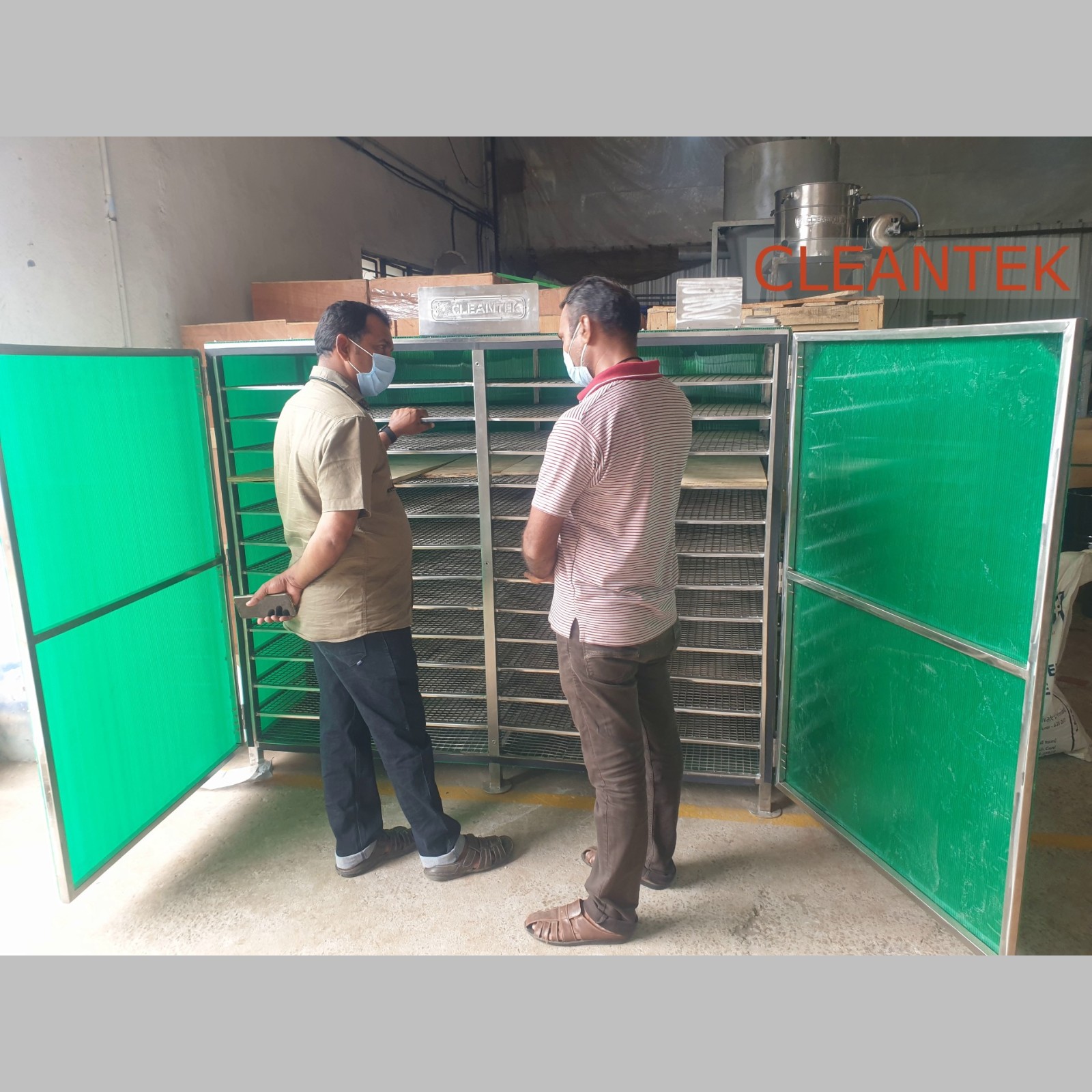
Key Features of the Germination Chamber Room:
Temperature Control:
- Maintains an ideal temperature range of 30°C to 35°C (86°F to 95°F) to stimulate bud sprouting.
Humidity Regulation:
- Ensures relative humidity levels between 85% and 95%, preventing dehydration of buds and promoting uniform germination.
Ventilation System:
- Provides fresh air circulation to avoid the accumulation of excess moisture and prevent fungal or bacterial growth.
Insulated Construction:
- Built with high-quality insulation to ensure energy efficiency and stable environmental conditions.
Automated Controls:
- Equipped with sensors and automated systems to regulate temperature, humidity, and airflow, reducing manual intervention.
Benefits of a Germination Chamber Room
Healthy Bud Sprouting:
- Creates optimal conditions for sugarcane buds to sprout uniformly, reducing the risk of weak or stunted growth.
Disease Prevention:
- Controlled humidity and temperature minimize the risk of diseases caused by pathogens like fungi and bacteria.
Faster Germination:
- Speeds up the sprouting process, allowing for timely transplantation and better utilization of resources.
High Survival Rate:
- Ensures the sugarcane buds develop strong roots and shoots, enhancing their survival and performance in the field.
Energy Efficiency:
- Modern designs with energy-efficient systems reduce operating costs while maintaining effective germination conditions.
How It Works:
Preparation:
- Healthy sugarcane setts or buds are pre-treated (e.g., hot water treatment or fungicide application) to eliminate pathogens before being placed in the chamber.
Placement:
- Buds are arranged in trays or racks within the chamber to ensure adequate airflow and exposure to controlled conditions.
Environmental Control:
- The chamber's system maintains precise temperature and humidity levels, monitored through sensors and automated adjustments.
Observation Period:
- Buds are monitored over 7 to 10 days, during which they sprout and develop into healthy planting material.
Applications:
Sugarcane Nurseries:
- Used to prepare high-quality planting material for large-scale sugarcane cultivation.
Research Facilities:
- Supports studies on sugarcane varieties and sprouting conditions.
Cooperative Farming Units:
- Assists small farmers in accessing high-quality germinated buds for uniform field planting.
Advantages
Improved Yield:
- Produces robust sugarcane seedlings that result in higher productivity and better crop quality.
Cost Savings:
- Reduces the loss of planting material, saving on seed costs.
Sustainability:
- Promotes sustainable farming by minimizing the use of chemical treatments and water during germination.
Scalability:
- Suitable for small farms as well as large commercial operations with adjustable chamber sizes.
A Germination Chamber Room is an innovative solution for modern sugarcane farming. It ensures the efficient and sustainable production of healthy planting material, enabling farmers to achieve better growth, higher yields, and increased profitability.
During a recent visit to a vacuum treatment device user in Erode, we gained valuable insights into the effectiveness of advanced sugarcane seed treatment systems. The user shared their experience of utilizing the sugarcane seed treatment device for the past seven years, emphasizing its significant role in achieving superior germination rates and disease-free sugarcane seedlings.
Success with Seed Treatment Devices:
The user highlighted that their consistent use of the following systems has revolutionized their sugarcane farming practices:
Vacuum Treatment Device:
- Removes pathogens and improves seedling quality by creating a sterile environment.
Hot Water Treatment Device:
- Kills disease-causing microbes and pests, ensuring healthier buds for planting.
Germination Chamber:
- Provides controlled temperature and humidity, promoting uniform and robust germination.
Key Benefits Observed:
- Improved Germination Rates:
Using these systems has led to exceptional germination success, ensuring strong, healthy seedlings. - Disease-Free Seedlings:
The combination of vacuum and hot water treatment has effectively eliminated common sugarcane diseases, such as red rot and smut. - Higher Production:
Disease-free seedlings with strong genetic integrity have resulted in consistently higher yields. - Genetic Control:
Regular use of these practices has maintained the genetic quality of the sugarcane crop, ensuring a resilient and productive variety over time.
User Recommendation:
The Erode farmer strongly recommends integrating vacuum treatment devices, hot water treatment devices, and germination chambers for effective sugarcane seedling production. They attribute their success in achieving disease-free, high-yield crops to these systems and urge other farmers to adopt these methods for sustainable sugarcane farming.
This case study from Erode underscores the importance of advanced seed treatment systems in modern sugarcane farming. By investing in these technologies, farmers can ensure healthier crops, increased productivity, and long-term sustainability. Adopting such practices is not only a step toward better farming but also a commitment to quality and innovation in agriculture.
