


Why Air Knives Are Critical in Food & Beverage Packaging?
Air knives:
In the food and beverage packaging industry, maintaining hygiene, efficiency, and product integrity is critical. Air knives play a vital role by delivering high-velocity, uniform airflow to remove water, moisture, dust, and residues from bottles, cans, pouches, trays, and conveyors-without physical contact.
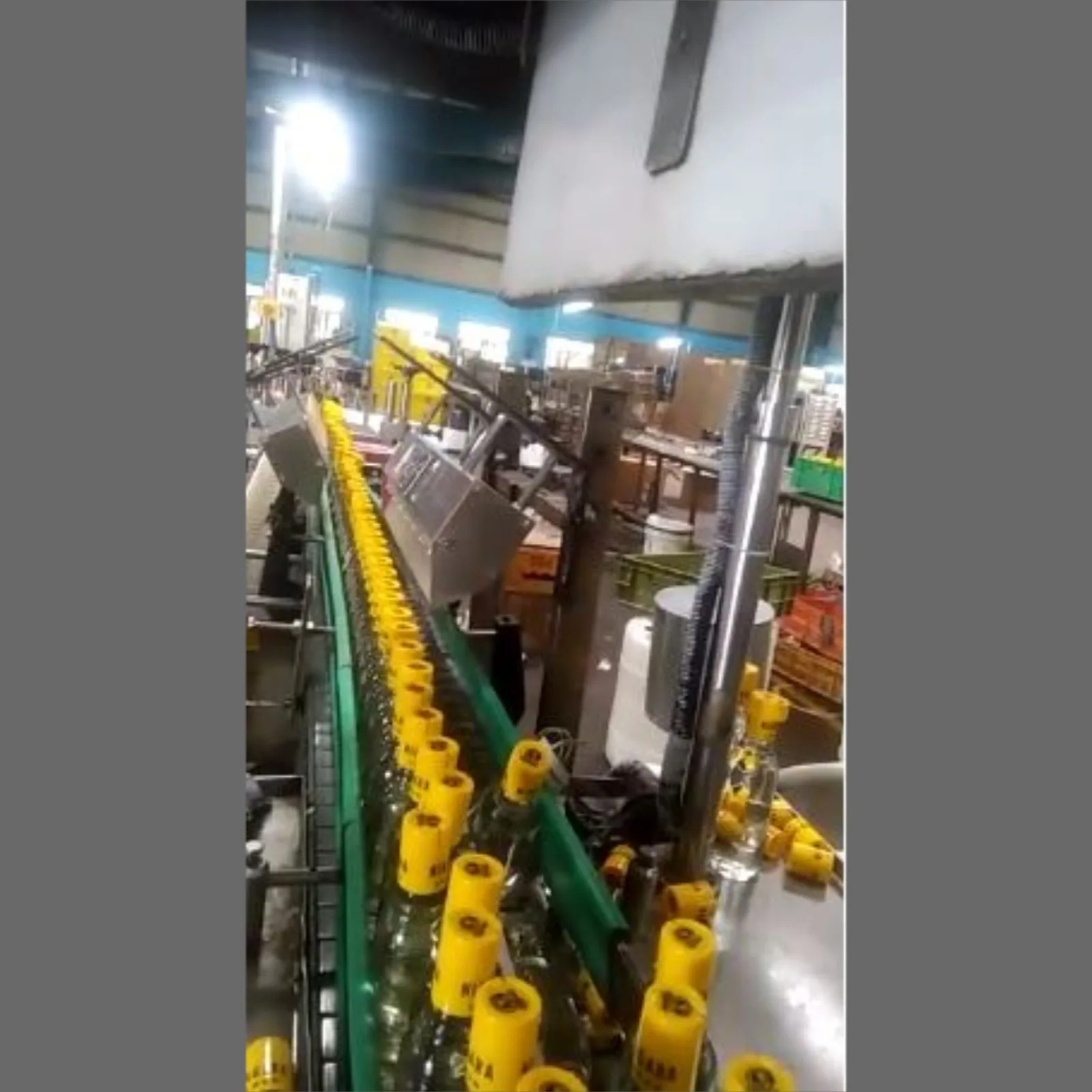
Unlike conventional drying methods such as blowers or heated air systems, air knives offer energy-efficient, contamination-free drying, ensuring compliance with food safety standards like HACCP and GMP. Made from food-grade stainless steel, air knives are ideal for applications including bottle drying after washing, can drying before labeling, pouch drying, conveyor belt cleaning, and surface drying before sealing or coding.
Air knives significantly reduce downtime, improve packaging line speed, prevent label failures, eliminate microbial growth caused by moisture, and enhance the overall quality of packaged products. Their low maintenance design and compatibility with ring blowers or centrifugal blowers make them a preferred drying solution in modern automated food processing plants.
For manufacturers focused on hygiene, productivity, and cost savings, air knife systems are not optional-they are critical.
Why Air Knives Are Critical in Food & Beverage Packaging:
Food and beverage plants operate at high line speeds and under strict hygiene standards. Traditional drying methods like cloth wiping or heated blowers are inefficient, unhygienic, or energy-intensive.
Air knives solve these challenges by offering:
- Non-contact drying → eliminates cross-contamination
- Oil-free air → safe for direct food packaging zones
- Instant moisture removal → no waiting or curing time
- Consistent performance → uniform drying across the entire surface
Key Air Knife Applications in Food & Beverage Packaging
1. Bottle & Container Drying (PET, Glass, Cans)
After washing or rinsing, containers must be completely dry before:
- Labeling
- Coding / inkjet printing
- Shrink sleeve application
Air knives remove water from:
- Bottle shoulders and bases
- Threads and neck areas
- Can seams and grooves
- Prevents label peeling and ink smudging
Reduces rejection rates
2. Drying Before Labeling & Coding
Moisture is the biggest enemy of:
- Pressure-sensitive labels
- Wrap-around labels
- Inkjet and laser marking
Air knives ensure bone-dry surfaces, resulting in:
- Strong label adhesion
- Sharp, readable barcodes and batch codes
- Zero rework or downtime
3. Food Product Surface Drying (Non-Contact)
Used for packaged or outer-surface drying, such as:
- Sealed food trays
- Vacuum packs
- Pouches after washdown
Air knives are not used to dry unpackaged raw food directly, but are ideal for external surface moisture removal in hygienic zones.
4. Conveyor & Tray Drying
After sanitation or wash-in-place (WIP):
- Conveyor belts
- Crates, trays, bins
- Totes and carriers
Air knives dry surfaces instantly, helping:
- Faster line restart
- Reduced slip hazards
- Improved sanitation compliance
5. Can End & Lid Drying
In beverage and canned food lines:
- Can lids and ends must be moisture-free before sealing
- Proper seam formation
- Corrosion prevention
- Longer shelf life
6. Shrink Sleeve & Heat Tunnel Preparation
Before shrink sleeves enter heat tunnels:
- Excess water must be removed
Air knives prevent:
- Wrinkles in shrink sleeves
- Uneven shrinking
- Trapped moisture under labels
Advantages of Air Knives Over Conventional Drying Methods:
Aspect | Air Knife System | Cloth / Heat Drying |
Hygiene | Non-contact, sanitary | Risk of contamination |
Speed | Instant drying | Slow |
Energy | Low power (blower-based) | High heat energy |
Maintenance | Minimal | Frequent |
Consistency | Uniform air sheet | Uneven |
Air Knife System Design for Food & Beverage Lines:
A typical system includes:
- Air knife (Aluminium / SS304 / SS316)
- Oil-free blower or compressed air source
- Mounting brackets with angle adjustment
- HEPA or pre-filters (optional)
Material Selection
- SS304 / SS316 preferred for washdown zones
- Corrosion-resistant construction for acidic or sugary environments
Blower-Driven vs Compressed Air Air Knives:
Blower-Driven Air Knives:
- Ideal for continuous operation
- Very low operating cost
- High air volume, moderate pressure
Compressed Air Air Knives
- Used for short, intermittent drying
- Higher operating cost
- Suitable for small lines or special applications
Most modern food & beverage plants are shifting to blower-based air knife systems to reduce energy consumption.
Compliance & Hygiene Considerations:
Air knife systems support:
- HACCP principles
- GMP requirements
- Food safety audits
Key hygiene practices:
- Use filtered, oil-free air
- Easy-to-clean knife profiles
- No water retention points
Recent Trends in Food & Beverage Air Knife Usage
- Integration with high-speed bottling lines
- Energy-efficient ring blower & side-channel blower systems
- Compact designs for space-constrained plants
- Automated on/off linked to conveyor sensors
Air knives have become an essential drying solution in modern food and beverage packaging plants. They improve product quality, ensure hygiene, reduce energy costs, and increase line efficiency-all without physical contact or heat.
For manufacturers focused on high throughput, zero contamination, and consistent packaging quality, air knife systems are no longer optional-they are a necessity.
